тел.: (062) 305-33-05; 305-28-07
Адрес интернет: www.dtpa.dn.ua
Электронная почта: [email protected]
Карта проезда к учебному заведению

|

|
» Навигация
» Важно!

Написание дипломных работ на заказ недорогоНаша компания пишет дипломные работы на заказ. Высокое качество и 100%-я уникальность гарантированы! Бывают ситуации, когда заказать дипломную работу https://kursoviks.com.ua/ надо срочно: студент, заканчивающий обучение в своём вузе, уже не вписывается в срок её сдачи. Это даёт ему возможность наверстать упущенное время: все сложности по написанию и оформлению такой работы наши специалисты возьмут на себя. Срок написания дипломной работы едва ли составит больше, чем 8-14 дней: в нашем штате работают высококлассные специалисты, благодаря которым работа над Вашим заказом продвигается очень быстро!
» Последние новости
» Счетчики
|
Teledildonics technology: the future of intimacyPublished: 30.09.2026 You have likely seen the pitch: slip on a headset, connect a haptic device, and interact with a digital partner who responds to your every movement. It sounds like a straightforward upgrade to solo sessions or long-distance relationships. Yet, when the packaging arrives, you are often left holding a chunk of silicone, a proprietary charging cable, and a subscription prompt. The leap from traditional toys to app-controlled, sensor-laden hardware is significant, and the gap between the marketing promise of seamless virtual intimacy and the reality of Bluetooth pairing issues is wide enough to frustrate anyone. Before investing hundreds of pounds or euros in connected pleasure tech, it pays to understand exactly what the hardware can and cannot do. 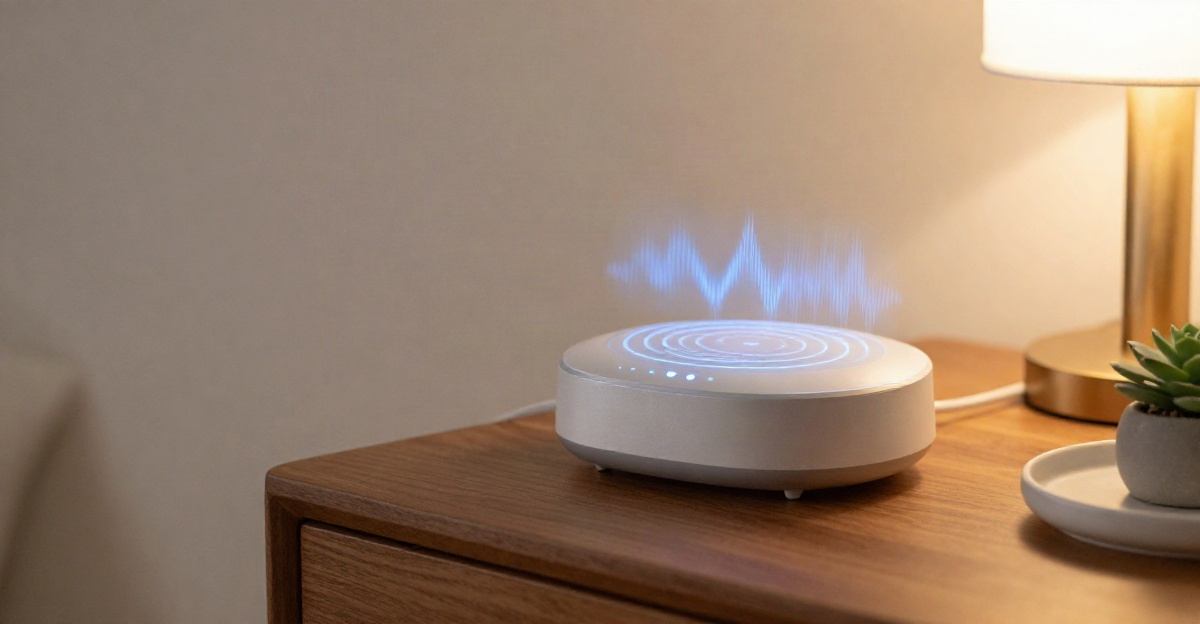
Beyond the Buzzwords: What Teledildonics Actually DeliversTeledildonics, at its core, is sex tech that communicates over the internet. It allows one device to mirror the movements of another, or allows digital content—a video, a VR simulation, or a cam stream—to drive the physical sensations of a toy. For the consumer, this means paying a premium for motors, sensors, and wireless connectivity. The genuine benefit is spatial and temporal distance collapsing; a partner across the globe can manipulate a device in your hands in real time. However, the "future of intimacy" often feels distinctly mechanical. Motors have speed limits, latency disrupts rhythm, and the physical range of a sleeve or vibrator cannot replicate the unpredictable, nuanced pressure of a human body. Bidirectional feedback—where your device sends data back to your partner's toy—is the theoretical ideal, but in practice, the experience is frequently defined by the lowest common denominator of your respective internet connections and hardware capabilities. The Virtual Companion ExperienceThe specific appeal of a "sexy girl virtual https://hotvirt.com/virt-sex/service/custom-photos sex" scenario usually involves synchronised adult content or interactive cam platforms. Here, the technology attempts to bridge the screen-to-skin divide. When a performer moves, encoded signals travel through the platform's server to your device, which translates those motions into vibration, rotation, or contraction. This is where consumers must separate the fantasy from the interface. Interacting with a recorded VR scene offers flawless visual tracking but zero real-time responsiveness to your specific actions. The script is rigid. Conversely, a live cam model provides human spontaneity, but the connection depends heavily on upload and download speeds. A delay of even half a second breaks the illusion of shared physical space. Furthermore, the digital avatar or performer cannot feel the feedback from your device; the interaction is strictly a one-way transmission, lacking the closed-loop responsiveness that defines actual intimacy. You are reacting to her, but she is reacting only to a chat window or a token counter. There is also the financial architecture to consider. The hardware is merely the entry fee. Accessing the synchronised content libraries or the VR platforms hosting these interactive avatars usually requires recurring subscriptions or token purchases. A two-hundred-euro toy can quickly necessitate a thirty-euro monthly subscription just to access the features that justified the hardware purchase in the first place. 
Hardware Realities: Separating Engineering from MarketingMarketing materials showcase sleek, silent devices operating in perfect sync. The reality involves high-pitched motor whine, bulky charging docks, and rigid internal mechanisms. When evaluating a purchase, scrutinise the physical constraints that manufacturers downplay.
The Privacy Paradox of Connected PleasureAny device requiring an app and an account collects data. This is the most critical drawback the industry prefers to gloss over. Connected sex toys track usage duration, intensity preferences, and sometimes even the specific patterns you favour. If you are engaging with a virtual platform, the service knows exactly what you are watching and how your device responds to it. Before buying, investigate the company's privacy policy and history. The industry has seen major breaches where intimate usage data was exposed and mapped to user accounts. Even when data is anonymised, it is highly valuable to brokers. Ask whether the device can function offline. If the company's servers shut down tomorrow, does your expensive hardware become a paperweight? Relying on proprietary apps means trusting a corporation with your most private behaviours, a risk that demands serious consideration before checkout. Choosing a System: Practical Selection CriteriaIf you decide the benefits outweigh the drawbacks, approach the market with strict criteria. Avoid getting locked into a weak ecosystem by verifying cross-compatibility before you buy.
A Grounded Perspective on Connected PleasureTeledildonics is undeniably shifting the boundaries of solo and remote pleasure, but it remains an emerging technology constrained by physics, software instability, and data vulnerabilities. The promise of flawless virtual intimacy is currently a premium-priced approximation. Treat these devices as supplementary tools rather than wholesale replacements for human connection. Buy into the hardware for the novelty of haptic synchronisation and the genuine utility of long-distance play, but keep your expectations grounded in the reality of motors, latency, and the inevitable software updates required to keep the illusion alive. |
» Опрос
» Поиск по сайту
» Календарь
» Ссылки

» Спонсоры




» Архив новостей
|
|||||||||||||||||||||||||||||||||||||||||||||||||||
|
|
||||||||
